DISCOVER
This World Environment Day, we’re looking at wildlife in Messinia through a new lens, using some of science’s latest biodiversity monitoring tools.
By Giorgos Tsiros
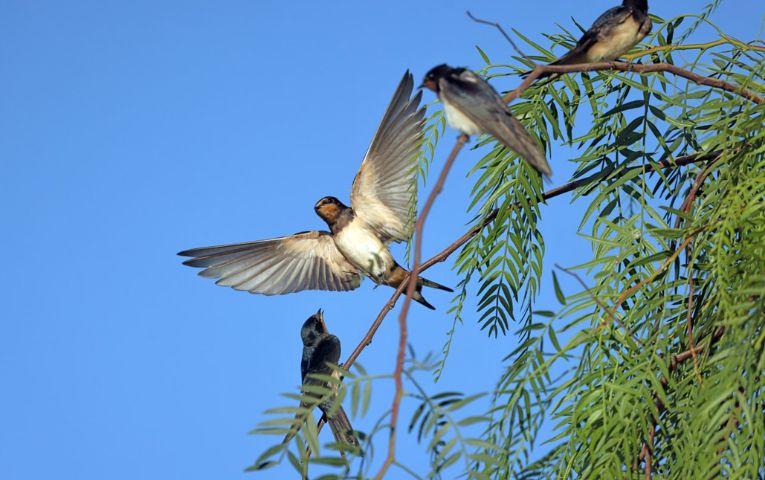
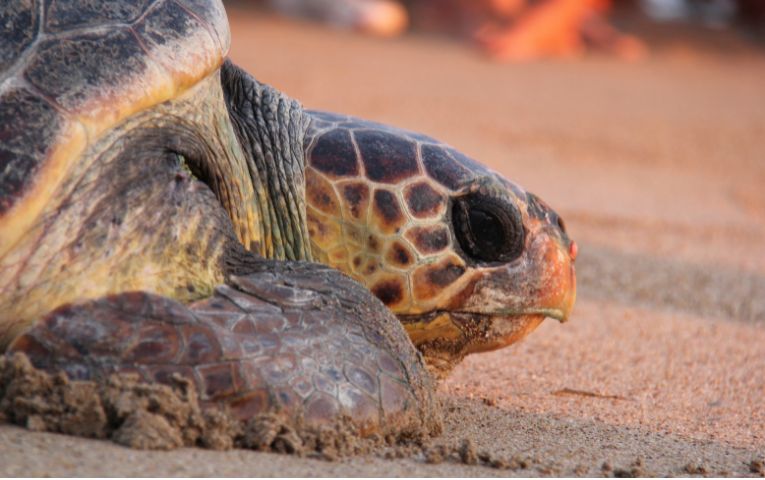
Just after sunrise, a jackal moves quietly across the edge of a fairway at Navarino Hills before disappearing into the olive groves. Swallows skim low over a freshwater pond. Below, the traces of Caretta caretta turtles remain pressed into the sand dunes from the night before.
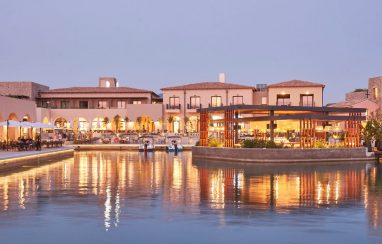
Marked each year on June 5th, World Environment Day highlights the importance of protecting ecosystems and biodiversity, themes that resonate strongly at Costa Navarino. At first glance, it may appear as a carefully composed destination of beaches, golf courses, and architecture set gently into the landscape. Look a little closer, however, and a far richer story emerges. It unfolds quietly in the reeds around bodies of water, in the flight paths above the dunes and, sometimes, right beside your breakfast table.
Nearly 90% of the destination remains green. This decision, fundamental from the earliest planning stages, has allowed a thriving ecosystem to persist; One where wildlife, guests, and local communities coexist in rare balance.
This balance is not accidental. From its landscape, architecture, and lighting design to its plant selection and water management systems, the destination was, from the very outset, carefully conceived to work in harmony with nature. Now, for the first time, this living landscape has been studied systematically, using some of the latest biodiversity monitoring tools.

Now We See Them
Over a nine-month period, a team of 13 researchers from Nature Conservation Consultants, a specialized environmental planning consulting firm, conducted the most comprehensive biodiversity survey ever undertaken across Costa Navarino’s three distinct areas – Navarino Dunes, Navarino Bay and Navarino Hills. Using a combination of field observation, bioacoustic sensors, automated camera traps and real-time PTZ cameras, drones and advanced mapping technologies, the team documented not just what species are present, but how they use the landscape – for feeding, nesting, or as a migratory stopover site.
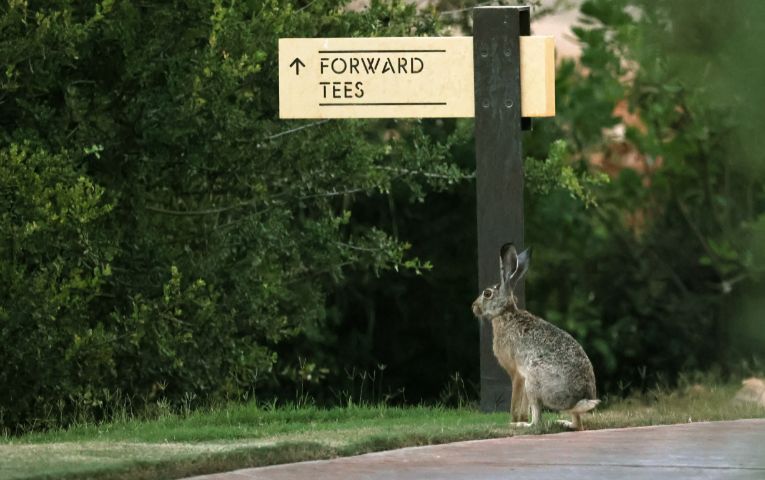
The results are striking. Almost one quarter of all bird species recorded in Greece were identified within and around the resorts’ boundaries. Mammals such as jackals, hares and hedgehogs were documented moving confidently through golf courses and green corridors, indicating stable, resident populations. Bats – among the most sensitive indicators of ecosystem health – were recorded in high diversity, including species classified as near-threatened.
Reptiles, amphibians, butterflies, native plants and protected habitats complete a picture of ecological richness across dunes, ancient olive groves, streams, artificial lakes and even landscaped gardens. This biodiversity exists in plain sight, and its abundant presence often adds small but memorable moments to the experience of resort guests.
Along the coast, particularly at Navarino Dunes, maintaining a safe distance between the facilities and the shoreline, together with carefully designed lighting, plays a crucial role in protecting the nesting sites of Caretta caretta sea turtles. Light pollution is minimized, and human activity is managed so as not to interfere with one of the Mediterranean’s most delicate reproductive cycles.
And Hear Them
One of the most innovative aspects of the project is that Costa Navarino does not merely observe nature – it listens to it. Bioacoustic recorders placed discreetly across the landscape capture birdsong and bat echolocation, revealing nocturnal and migratory species rarely detected by the human eye. Combining these recorders with camera traps and live-streaming observation points means that the ecosystem becomes legible in new ways; what emerges is a dynamic network that changes from day to night and throughout the seasons.
Looking ahead, this scientific foundation enables something equally important: ongoing monitoring. After all, biodiversity is not static. By establishing a clear baseline, Costa Navarino can now track changes over time, respond intelligently, and continue refining how development and nature coexist.
An Invitation to Observe
For visitors to Costa Navarino, this research transforms the experience of place. A morning walk becomes a passage through interconnected habitats. A round of golf is played across ecological corridors. Even a quiet moment between shots might come with a charming wildlife moment. The avian world in particular is well-represented; the area is becoming an eBird hotspot.
Costa Navarino’s biodiversity is not an abstract environmental claim. It is measurable, documented and ever-present – woven into daily life, visible to those who take the time to notice. And perhaps that is the most compelling result of all: a destination where luxury is not separate from nature, but deeply and responsibly entwined with it.